

The Visionary Investor
Do you have a business in supply tech innovation? Are you trying to scale? You’re in the right place. Welcome to a wealth of articles written by Luis Solana, a seasoned pro in supply chain management and your trusted guide to transforming good ideas into great businesses.
Filter by Categories
Visibility | Global Trade | Resiliency | Productivity | Automation | Digitization | Orchestration | Agility | Investing | Strategy | All

The Polyfunctional Floor: Why Productivity's Next Multiplier Isn't Speed, It's Adaptability
I spent a good part of my operating career installing automation that did exactly one thing, extremely well, forever. A palletizer at a Henkel plant. A case packer at a Coty distribution center. Fixed-purpose, hard-tooled, and brilliant right up until the SKU mix changed, the demand pattern shifted, or the line needed to run a product it wasn't built for. Then it wasn't an asset. It was a constraint with a maintenance contract.

Physical AI Has Entered the Building: When Intelligence Meets Atoms in the Americas
AI that lives in a dashboard is a tool. AI that moves inventory, adjusts production schedules, and reroutes shipments in real time is infrastructure. Most investors are still pricing the dashboard.
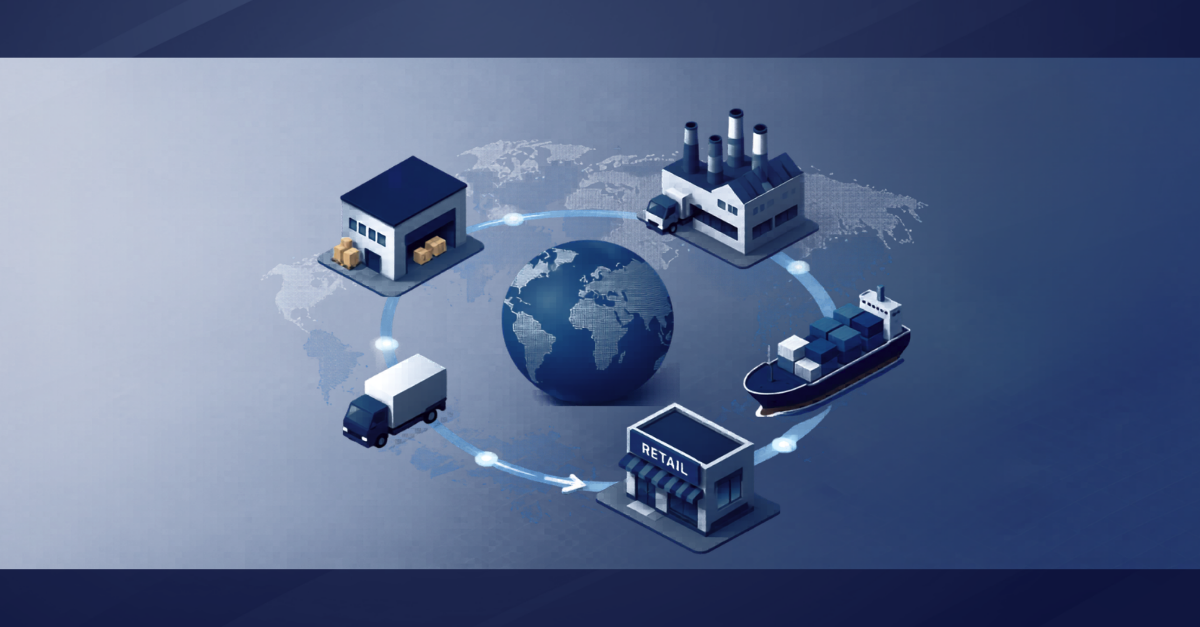
Blog 2/3 FROM AI TOOLS TO AUTONOMOUS NETWORKS: Who Will Own the Execution Layer
Who Will Own the Execution Layer
Artificial intelligence is now central to most investment narratives.
But there is a quiet mismatch in how it is being underwritten.
Most capital is still flowing toward AI that analyzes, summarizes, or recommends.
Far less attention is given to AI that executes.
That distinction matters.
Because in supply chains—and increasingly across technology businesses—
value is not created when a decision is identified.
It is created when that decision is carried through the system.
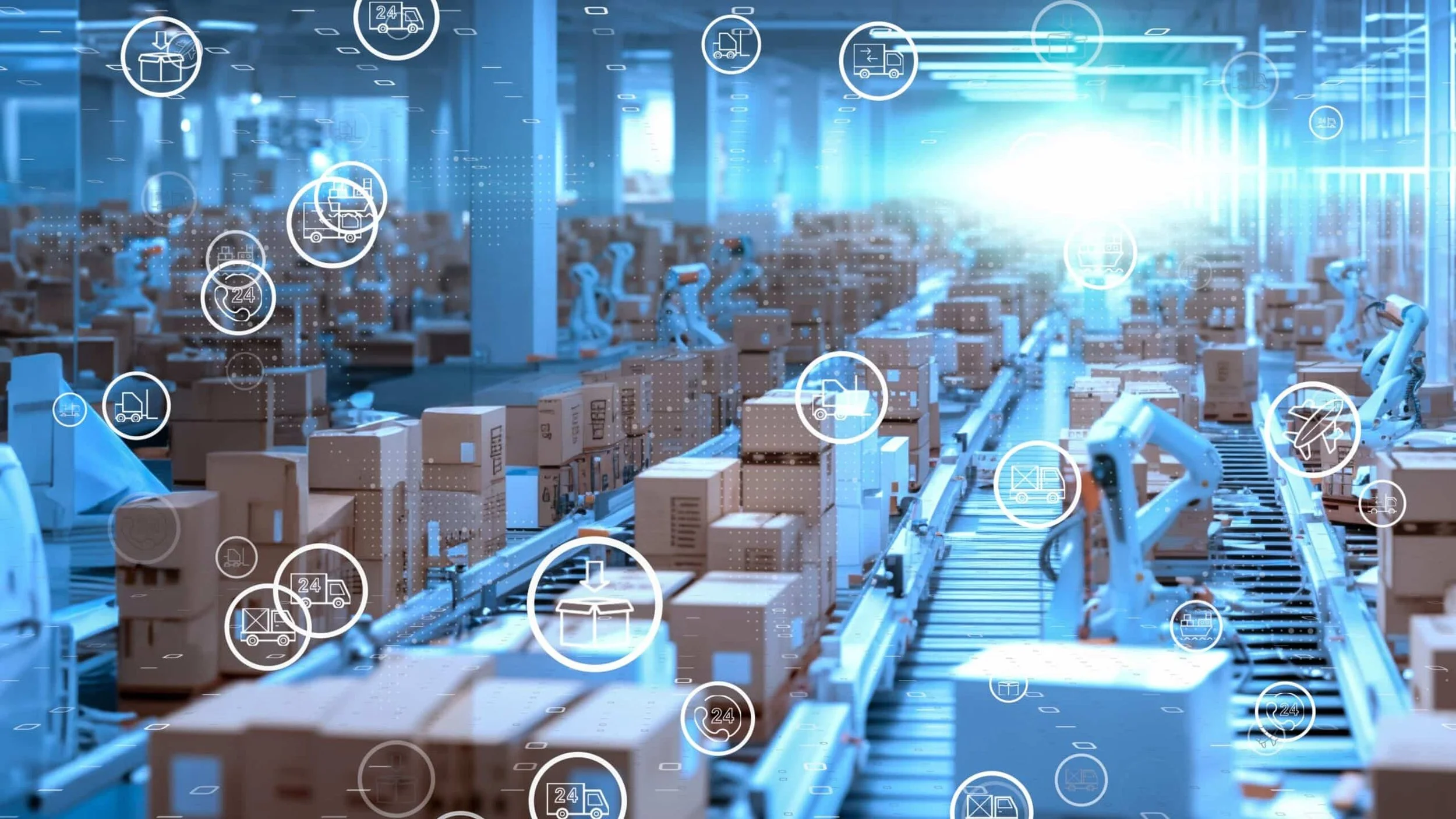
TRANSFORMATION - The Rise of Autonomous Supply Chain Decisions: From planning cycles to continuous, AI-driven orchestration.
The old model didn’t just break—it exposed its limits
In the first quarter of 2026, it became clear that supply chains have crossed a structural threshold.
Volatility is no longer episodic. Stability is no longer the baseline. And traditional supply chain operating models—built on planning cycles, functional silos, and human coordination—are increasingly outmatched by the environment they operate in.
But recognizing the problem is only the first step.
The more important question is: what replaces it?
Because if supply chains can no longer rely on periodic planning and reactive execution, then the entire model of how decisions are made must evolve.
And that evolution is already underway.
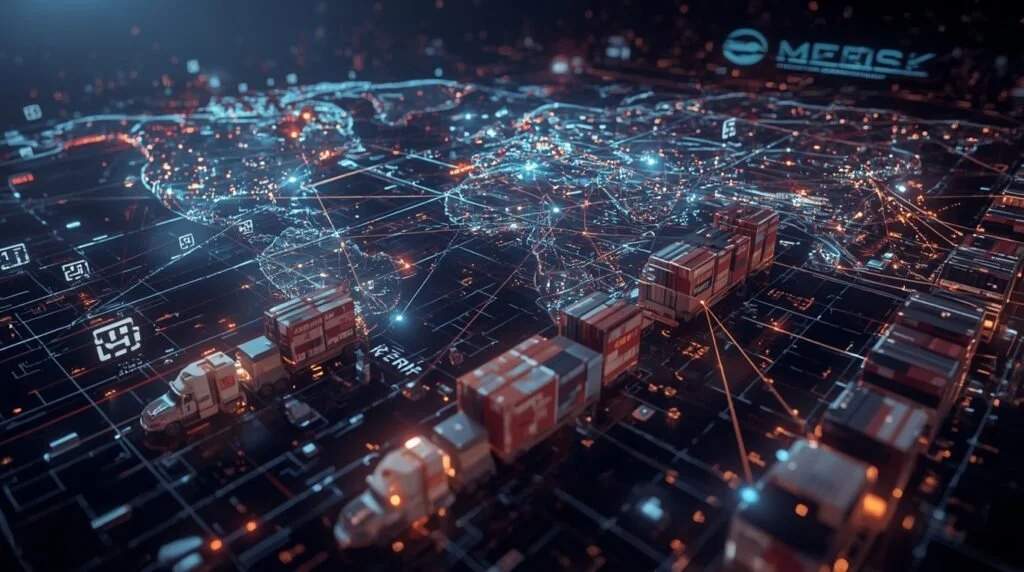
AI & Autonomous Orchestration in Supply Chains: Moving Beyond Automation
As we move toward 2026, supply chains are entering a new era, one defined not by incremental automation but by autonomous orchestration.
In this piece, we explore how agentic AI is transforming supply chains from task-based systems into intelligent, end-to-end networks that can sense disruption, make decisions, trigger action, and continuously adapt in real time.
We break down:
The shift from automation to autonomous orchestration
What agentic AI actually enables across planning, sourcing, logistics, and execution
Why 2025–2026 is a true inflection point for operators and investors
Where the market is consolidating — and where long-term value will be created
This is not a future-state thought experiment. Autonomous orchestration is becoming the operating model for resilient, capital-efficient supply chains — and the companies that get it right will define the next decade of global commerce.

The Supply Chain Stack Is Being Rebuilt: Where the Next Decade of Value Creation Begins
Supply chains have stepped into the spotlight in a way we’ve never seen before. What used to run in the background is now shaping how companies plan, invest, and compete. A big reason for that shift is technology. For the first time, modern systems can finally keep up with the real complexity of global operations. As we head into 2026, the entire supply chain stack is being rebuilt, and this transformation is opening the door to a new era of value creation. In this month’s blog, I’m laying the foundation for the next few articles by digging into why this change is happening, what’s powering it, and where the next generation of leaders and innovators will rise.

Automation and Digitization: Building a Smarter Supply Chain
With AI and robotics, operators and managers can then shift their attention to proactive problem-solving and value-added opportunities that require their expertise. While they maintain the human element of doing business, technology automates the rest. Let’s take a closer look at how all this comes together.