

The Visionary Investor
Do you have a business in supply tech innovation? Are you trying to scale? You’re in the right place. Welcome to a wealth of articles written by Luis Solana, a seasoned pro in supply chain management and your trusted guide to transforming good ideas into great businesses.
Filter by Categories
Visibility | Global Trade | Resiliency | Productivity | Automation | Digitization | Orchestration | Agility | Investing | Strategy | All

The Polyfunctional Floor: Why Productivity's Next Multiplier Isn't Speed, It's Adaptability
I spent a good part of my operating career installing automation that did exactly one thing, extremely well, forever. A palletizer at a Henkel plant. A case packer at a Coty distribution center. Fixed-purpose, hard-tooled, and brilliant right up until the SKU mix changed, the demand pattern shifted, or the line needed to run a product it wasn't built for. Then it wasn't an asset. It was a constraint with a maintenance contract.
The Rulebook Being Rewritten: What the USMCA Review Actually Tests
On July 1, 2026, the United States, Mexico, and Canada opened the first mandatory joint review built into any U.S. free trade agreement — a formal reassessment of a pact that underwrites roughly $1.8 trillion in annual North American trade. That is not a procedural footnote. It is the treaty equivalent of an open architecture review, conducted in public, with the outcome genuinely undecided.

The Supply Chain Leader of 2030: Designing the Human-AI Operating Model for the Americas
In ten years, the best supply chain leaders will not be the ones who managed the most efficiently. They will be the ones who knew which decisions to give to the machine — and which ones to keep.
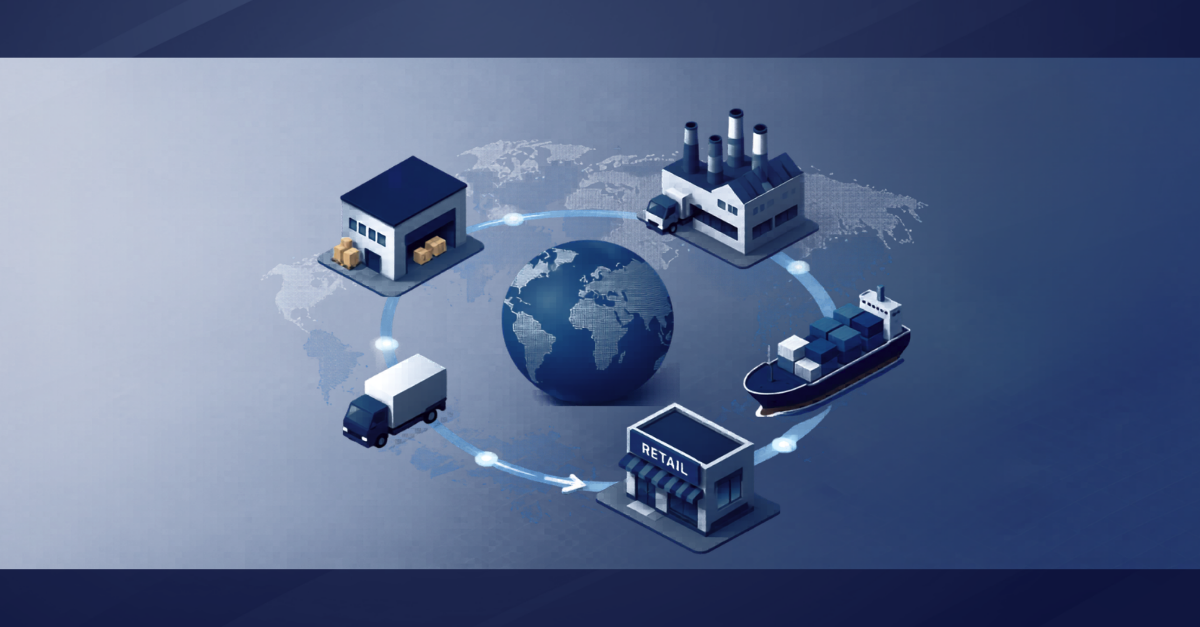
Blog 3/3 RESILIENCE IS NOT DEFENSE: Why Supply Chain Maturity is Rewriting Tech Valuations
In most investment models, resilience is treated as protection.
A way to limit downside.
That framing is incomplete.
Because in today’s environment, resilience is not just about avoiding loss—
it is about capturing upside when conditions are unstable.
Blog 1/3 THE ILLUSION OF SCALABLE TECH: Why Supply Chain is the Real Constraint
Most technology investors are still pricing companies as if scale is frictionless. It isn’t.
Growth doesn’t fail because companies can’t sell. It fails because they can’t deliver—at scale, at cost, and on time.
That gap is widening, and it’s where value is quietly being destroyed.

ADVANTAGE - Decision Velocity Is the New Supply Chain Moat:
Slow decisions—not bad ones—are the biggest risk in 2026.
The advantage is no longer where you think it is
For decades, supply chain competitive advantage was built on three pillars:
Cost efficiency
Scale
Reliability
Over time, resilience was added to that list.
Today, all four are converging.
Technology has democratized access to data. Global networks have matured. Even resilience strategies—multi-sourcing, buffer inventory, redundancy—are becoming standard practice.
The result is a quiet but important shift:
The traditional sources of supply chain advantage are no longer differentiators.
So what is?

Why Adaptive Supply Chains Are Replacing Static Globalization
The old globalization thesis assumed stability.
The new trade reality assumes volatility.
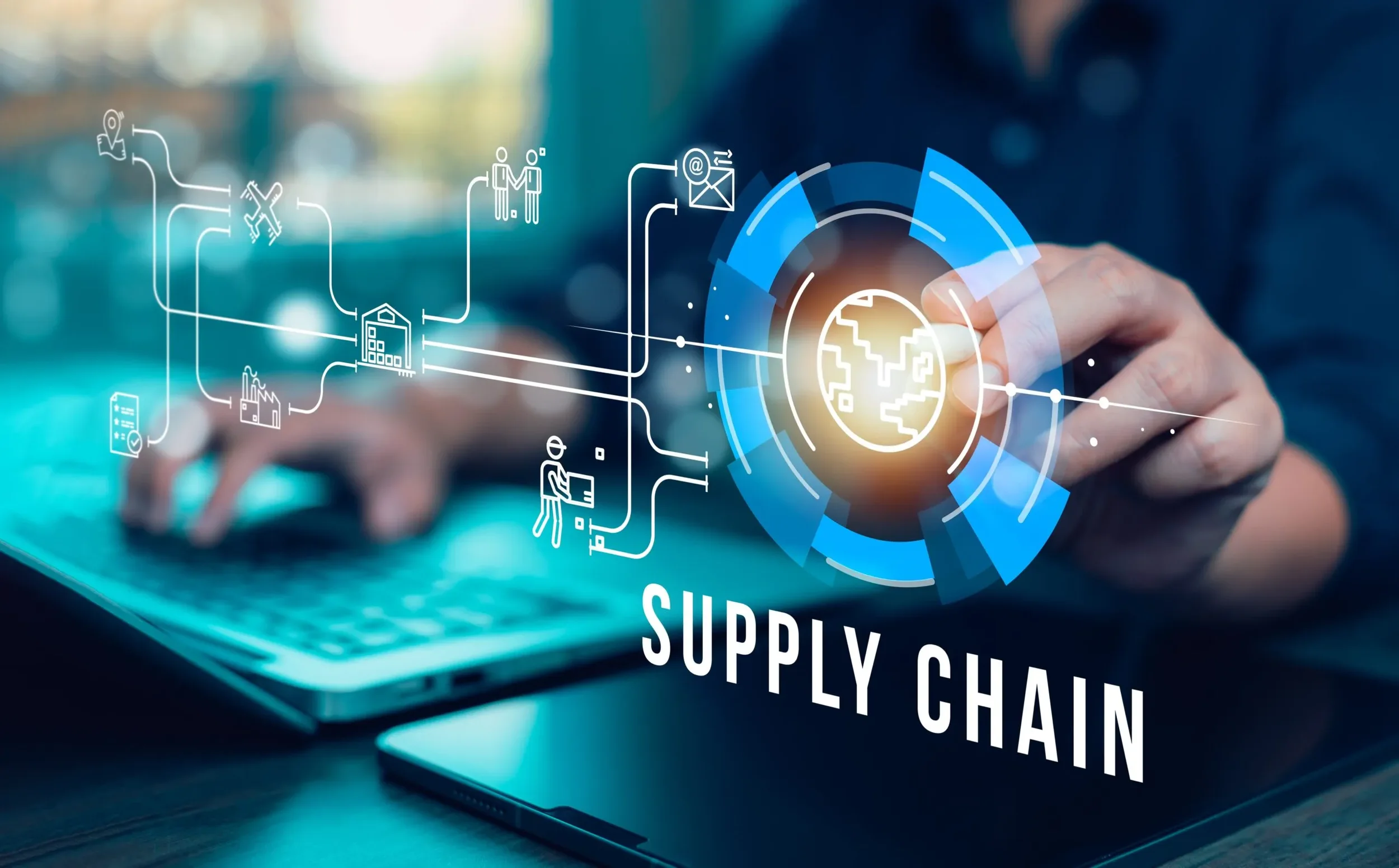
The New Age of Global Trade: Why Adaptive, Real-Time Networks Will Replace Static Global Supply Chain Model
By 2025, nearly every assumption behind traditional global supply chains broke at the same time. Geopolitics, freight volatility, climate risk, labor inflation, and rising expectations for speed and transparency.
What’s replacing it isn’t deglobalization. It’s adaptive, real-time global networks.
Leaders today are building networks that can sense, decide, and rebalance continuously, across regions, suppliers, ports, and demand signals.
That means:
• Distributed production instead of mega-hubs
• Multi-shoring driven by operational risk
• AI-powered orchestration that acts in real time
• Smaller, automated regional nodes that stay cost-competitive
• Networks designed for volatility
As the International Monetary Fund has noted, this shift is about secure and diversified supply ecosystems. The strategic reality is simple. The structure of your global network is now a core driver of enterprise value.
The companies redesigning their supply chains now, around adaptability, intelligence, and resilience, will lead the next decade of volatility.